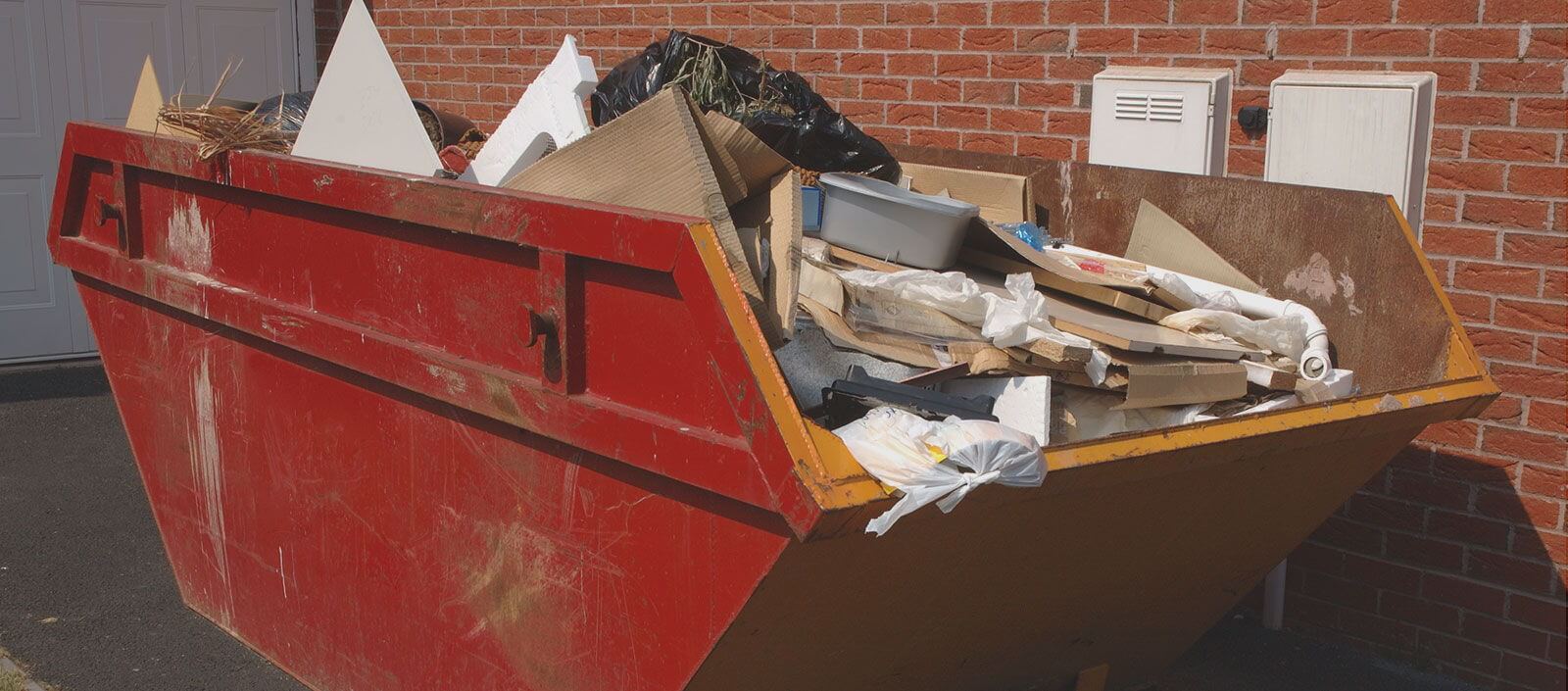
 Builders Waste Disposal
Builders Waste Disposal
 Commercial Waste Removal
Commercial Waste Removal
 Domestic Waste Collection
Domestic Waste Collection
 Furniture Removal
Furniture Removal
 White Goods and Appliance Disposal
White Goods and Appliance Disposal
 Furniture Disposal
Furniture Disposal
 Garden Waste Removal
Garden Waste Removal
 House Clearance
House Clearance
 Loft Clearance
Loft Clearance
 Office Clearance
Office Clearance
 Rubbish Collection
Rubbish Collection
 Waste Removal
Waste Removal
Waste Removal in South Kensington
Waste Removal South Kensington provides waste removal in South Kensington for homes, flats, shared properties and workplaces that need rubbish taken away with as little disruption as possible. The service covers everyday clear-outs, bulky items, general rubbish collection and more structured removal jobs where access, sorting and disposal need a careful approach. If you are planning a one-off clearance or repeated collections, our aim is to make the process straightforward and well organised.
We handle a range of waste removal tasks rather than a single narrow job, so the service can suit mixed loads, awkward access and properties that need items removed from inside the building. That can include furniture, appliances, household clutter, office contents and other unwanted materials that need loading, transport and responsible disposal. For an overview of the main work, see our services overview and the more specific options below.
The best way to begin is to identify what needs removing, whether that is one item, several rooms of contents or a fuller clearance. If you already know the type of waste and the collection point, you can request a quotation with a clearer idea of the work involved. Start with the main items first, then add anything extra that should be included so the job can be assessed accurately.
Domestic waste removal for homes and flats
Domestic waste removal in South Kensington is often needed when households want to clear out general rubbish, old furnishings, bags of unwanted items or clutter that has built up over time. The service is useful for flats, maisonettes and larger homes alike, especially where stairs, shared entrances or limited parking mean the removal needs to be planned rather than rushed. A sensible approach helps keep the work efficient and avoids unnecessary handling.
For many domestic jobs, the most practical option is to combine several waste types in one visit, rather than arranging separate collections for each room. Our domestic waste collection page explains the scope of household removal in more detail, while rubbish collection is a useful choice when the main need is mixed household waste taken away in an orderly way. This can suit spring clears, moving-out preparation or general household tidying.
Items and situations that often need careful sorting
Not every domestic clearance is the same. Some jobs involve a few awkward bulky pieces, while others include a larger volume of bags, boxes and dismantled household items. If you are deciding what to include, it can help to separate reusable items, general waste and anything that may need special handling. Keeping the scope clear before the collection makes it easier to match the right vehicle, loading method and disposal route to the job.Furniture, appliances and bulky item disposal
Bulky waste often creates the most pressure because it takes up space and can be awkward to move through narrow halls, stairwells or communal areas. Furniture disposal and furniture removal are important parts of the service when sofas, tables, wardrobes, chairs or other large items are no longer needed. The work may involve lifting, carrying and careful movement through the property so that the surrounding area is left in good condition.
For heavier or more awkward items, it is sensible to think about whether pieces need to be dismantled before removal or can be taken away intact. Our furniture disposal page covers the practical side of removing unwanted household furniture, and the furniture removal page is useful when you want a fuller service that includes loading and transport. Appliances can also be included where suitable, and the appliance disposal service is relevant for items such as fridges, washing machines and similar white goods.
When you are requesting a quotation, it helps to note whether the furniture is upstairs, fixed in place, part of a larger room clearance or already at ground level. A brief list of the main pieces is usually enough to begin. If the job includes mixed bulky waste, waste removal can be arranged as a broader service that includes several item types in one visit.
House, loft and office clearances
Some jobs are larger than a simple collection and work better as a full clearance. House clearance is suitable when several rooms need to be emptied, whether after a move, a renovation, a tenancy change or a long period of accumulation. Loft clearance is more specific, but it can be just as demanding because access may be tight and contents are often stored in mixed layers of boxes, bags, seasonal items and forgotten household goods.
For homes that need a more complete service, our house clearance page and loft clearance page outline the sort of work that can be included. If the job is commercial rather than domestic, office clearance is a better fit, especially where desks, chairs, filing, packaging and general office contents need to be removed with minimal interruption to the premises. Each type of clearance benefits from a clear plan about access and the order in which items are removed.
Choosing the right level of clearance
The main question is usually whether you need a straightforward collection, a partial clearance or a full emptying of the space. Smaller jobs may only require a few items to be lifted and loaded, while larger clearances can involve multiple rooms, cupboards, loft storage or shared work areas. In every case, a concise description of the contents helps keep the quotation realistic and the removal method appropriate. If you are unsure which service fits best, begin with the broadest description of the waste and narrow it down later.Commercial waste and builders waste disposal
Commercial waste removal supports businesses that need a dependable way to clear rubbish, packaging, outdated stock, office waste or other non-hazardous material without letting it accumulate on site. The service can suit shops, studios, small offices and managed premises where waste needs removing in a controlled and tidy manner. It is also useful when the volume changes from week to week and a flexible collection plan is more practical than a fixed routine.
Where a business needs a more structured option, the commercial waste removal page explains a service designed for business premises, while builders waste disposal is the right place to look for rubble, offcuts, packaging and other debris from renovation or refurbishment work. The two jobs can overlap in practice, but the disposal method should still reflect the type of waste being handled and the site conditions involved.
For a commercial quote, useful details include the kind of premises, the volume of waste, the main access points and whether the material is being gathered from one room or several locations. A short list is often enough to judge the scale of the work. If the load is mostly furniture, office contents or cleared fixtures, a combined waste removal approach may be more suitable than treating each item separately.
Garden waste and everyday collection work
Garden waste removal is designed for branches, cuttings, soil, plant matter, broken outdoor items and other material produced during routine garden maintenance or seasonal tidy-ups. It can be helpful after pruning, landscaping or general outdoor clearance when the waste is too bulky for normal household disposal. The service is also useful when green waste has become mixed with light debris and needs separating before it can be taken away.
Our garden waste removal page gives a more direct route for outdoor clearances, while the broader waste removal page remains the best overall starting point for mixed loads that include garden material alongside household waste. If the job is relatively small, it may still be worth grouping it with other items so the collection can be handled in one visit rather than split into separate jobs.
What helps a garden collection run smoothly
Outdoor waste is easiest to assess when the main material has been separated into piles or bags and any heavier items are identified in advance. That does not mean everything has to be organised perfectly, but a little structure helps when the waste includes a mix of branches, turf, compost, planters or dismantled outdoor fixtures. If you are comparing options, think first about the type of waste rather than the room it came from, because that is what shapes the handling and disposal requirements.Prices, quotes and service information
Pricing for waste removal usually depends on the type of material, the volume to be removed, how easy it is to access and whether the job needs one item, a partial clearance or a fuller load. Heavier materials, awkward access and multiple collection points can all affect how the work is planned. Rather than guessing, it is better to build the quotation around the actual items, the likely loading time and the practical route out of the property or premises.
If you want to review service details before making an enquiry, the pricing and quotes page is the most direct place to start, and prices gives another useful overview of how costs are approached. You can also use the site’s contact page when you are ready to request a quotation, and the linked service pages above should help you decide which type of waste removal is the best match. Contact us with the main details when you are ready.
Two details are especially helpful: the main items to be removed and the access involved in getting them out. If there are stairs, narrow corridors, shared entrances or bulky pieces, mentioning that early helps the quote reflect the likely work. Keep the description plain and practical, and you will usually get a clearer answer to work from. Request a quotation today if you already know the main waste types and want the next step to be simple.
About South Kensington
South Kensington is a district in west London best known for its dense, elegant urban fabric and for the institutions clustered around Exhibition Road and the surrounding streets. It sits within the Royal Borough of Kensington and Chelsea and forms part of the wider Kensington area, but it has a character of its own shaped by museums, garden squares, embassies, residential terraces and a busy transport interchange. The neighbourhood grew rapidly in the nineteenth century, especially after the arrival of the Great Exhibition of 1851 and the subsequent development of the museum quarter. That history is still visible in the ordered street pattern, the stucco-fronted terraces and the strong presence of cultural buildings that give the area a more formal feel than many parts of inner London. The Natural History Museum, the Science Museum and the Victoria and Albert Museum are all closely associated with South Kensington and contribute to its reputation as a centre for learning and public culture. The area also includes quieter spaces such as Thurloe Square and the garden squares around Onslow Gardens and Queen’s Gate, which soften the busier commercial strips. South Kensington Underground station, served by the Circle, District and Piccadilly lines, remains a key part of the district’s identity because it links the museums, residential streets and local shops with the rest of central London. Roads such as Cromwell Road, Old Brompton Road and Queen’s Gate help define the district’s edges and movement patterns, while nearby Kensington Gardens and Hyde Park provide large open green spaces within easy reach. Taken together, these features give South Kensington a mix of civic grandeur, everyday neighbourhood life and architectural continuity that makes it one of the more distinctive parts of the capital.
Recycling, safety and responsible handling
Responsible waste removal is not only about taking items away; it is also about sorting them properly and directing them to the most suitable disposal route. Where materials can be separated for recycling, that should be done as part of the process. This matters for mixed household and commercial loads alike, because a careful approach reduces unnecessary disposal and supports better handling of reusable or recyclable material. The service is therefore as much about organisation as it is about transport.
The recycling and sustainability page sets out the broader approach to responsible disposal, while the insurance and safety page is useful if you want to understand the attention paid to safe handling and risk reduction during collection work. If you have material that needs special care because of weight, size or access, it is sensible to mention that at the quotation stage so the job can be planned appropriately.
Practical information to include in an enquiry
A concise enquiry does not need a long explanation. In most cases, a short description of the waste type, the quantity, the property type and any access concerns is enough to begin. If items are scattered across several rooms or floors, say so. If the waste is already bagged, boxed or grouped, that is useful too. These small details help the quotation reflect the actual removal work rather than a rough guess based only on the headline item.Useful pages for further service detail
Some customers prefer to compare a few service pages before deciding exactly what to book. That can be helpful when the waste is mixed, when a job overlaps several categories or when the best description is not obvious at first glance. The site’s services overview gives a broad summary, while the service pages for furniture, domestic, commercial and builders waste help you narrow the request to the right type of removal. This is often the simplest way to avoid overcomplicating the enquiry.
The main point is to match the service to the waste rather than trying to force the waste into a single label. A flat full of household items, a workroom with office contents, a loft with stored clutter and a renovation with builders debris all need slightly different planning. If your job crosses categories, it is usually better to mention the full picture and let the quotation reflect the wider scope. That approach supports a more accurate and workable response.
When you are ready, request a quotation with the main details and the preferred collection point. If you still need to compare the likely service type first, use the linked pages above and then come back to the contact page once you know what needs removing. Keep the final note brief, clear and practical so the next step is easy.


